
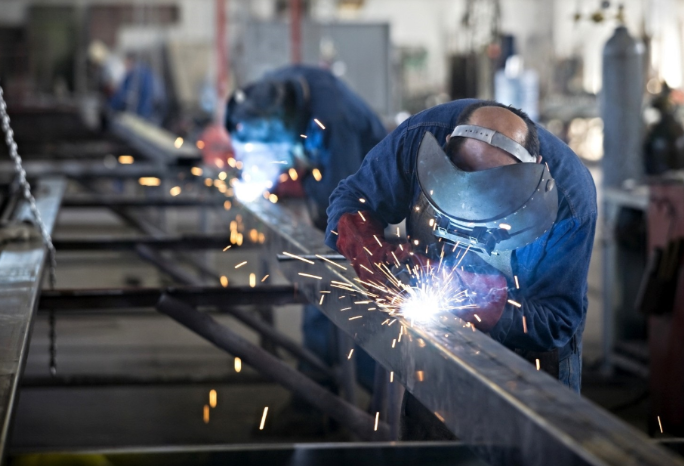
There is a particular kind of project failure that nobody sees coming because everything looked fine on paper. The quote was competitive, the certification was current, the lead time was acceptable. The problem surfaces later — a component that does not fit as drawn, a weld that passes visual inspection but fails under load, a finish that degrades in the first season of exposure. None of these outcomes are accidents. They are the predictable result of choosing a fabricator based on price and availability rather than on genuine technical depth. A capable metal fabrication company is not simply a workshop with the right equipment. It is an organisation whose knowledge of the whole problem shapes the outcome before a single piece of metal is cut.
Capability Hides Behind Familiar Language
Almost every fabrication company describes itself in similar terms. Custom fabrication, structural steel, certified welding, competitive lead times — the language is consistent across operations whose actual capability differs enormously. The gap rarely becomes visible during the quoting process. It appears when a complex geometry requires programming expertise the shop floor does not actually have, when a tight tolerance requires tooling that was never mentioned as absent, or when a material specification requires welding parameters that the certified welder has never worked with in practice. By the time the gap is discovered, the project timeline has already absorbed the cost of finding out.
Material Selection Is a Conversation, Not a Given
The assumption that material selection happens before fabrication begins and is therefore outside the fabricator’s remit costs projects more than most clients realise. The interaction between material grade, wall thickness, fabrication method, and intended service environment is genuinely complex, and a metal fabrication company with real metallurgical knowledge will often identify issues with a specified material before work starts rather than after. A grade that machines beautifully but responds poorly to the welding process required. A specification that is structurally adequate but creates finishing complications that were not anticipated at the design stage. These are conversations that save significant remediation work downstream and they only happen when the fabricator knows enough to initiate them.
Welding Is Where Variance Lives
Certification creates a compliance baseline. It does not create consistency. The variables that determine whether a weld performs reliably in service — joint preparation, fit-up tolerance, parameter control, inter-pass temperature management, post-weld treatment — sit below the certification threshold and vary considerably between operators and between shops. For components operating under dynamic load, in corrosive environments, or at temperature extremes, that variance has consequences that emerge in service rather than at inspection. A metal fabrication company whose internal quality system governs process conditions rather than just outcomes produces work that behaves predictably under the conditions the client actually needs it to withstand.
Finishing Is the Most Misunderstood Stage
Surface finishing gets treated as the last step rather than an integral part of the design process, and that sequencing is where longevity gets compromised. The finish selected needs to match the specific combination of exposure conditions the component will face — not the general category of environment, but the actual combination of UV intensity, humidity cycling, chemical contact, and abrasion the part will experience in service. A coating that performs excellently in one combination of conditions can fail surprisingly quickly in a slightly different one. Fabricators who engage with finishing as a technical decision rather than an administrative one specify treatments that reach the intended service life rather than falling short of it quietly and expensively.
Communication Determines Project Reality
The fabrication projects that drift furthest from their original intent almost always have a communication breakdown in their history — not a dramatic one, but a series of small disconnections that compound. A dimension interpreted rather than queried. A material substitution made without notification. A change at the design stage that did not reach the shop floor before cutting began. These are not careless errors in isolation. They are systemic failures in how information moves between client and fabricator throughout a project. The shops that manage this well treat technical questions as early warning signals rather than interruptions, and they produce fewer expensive surprises as a direct result.
Conclusion
The fabrication projects that deliver what they were supposed to deliver are not the ones with the most impressive equipment lists. They are the ones where material knowledge, process discipline, finishing expertise, and structured communication were all present simultaneously from the first conversation. A metal fabrication company that brings genuine depth across all of these dimensions consistently produces work that performs in service rather than merely passing inspection on delivery day. That distinction matters enormously and is worth prioritising deliberately over every other selection criterion.