
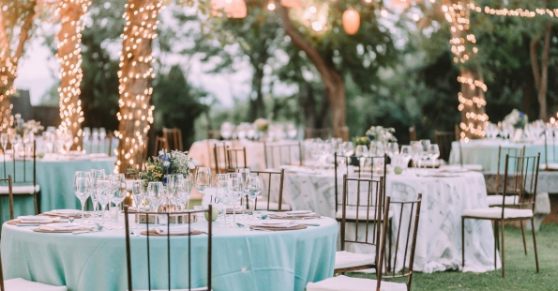
While couples may spend months agonising over flowers, menus, and seating schedules, the one factor that consistently determines whether a reception is memorable or simply pleasant is one that is rarely given the attention it deserves: the interaction between the event and its tangible environment. When selected intentionally rather than for aesthetic trends, outdoor wedding receptions significantly alter the guest experience in ways that no amount of interior decor can replicate. The reasons for this are more intricate than most planning guides are willing to discuss.
The Ceiling Problem Nobody Names
Indoor venues impose a ceiling — literally and atmospherically. Low ceilings compress sound, trap heat, and create a psychological sense of containment that guests feel without being able to articulate. High ceilings in heritage or industrial spaces solve the compression problem but introduce echo and acoustic unpredictability that sound engineers spend considerable effort managing. Outdoors, that entire category of problem disappears. Sound disperses naturally, heat rises, and moves, and guests unconsciously relax in ways that enclosed environments physically prevent. It is not a styling difference — it is a physiological one.
What Photographers Are Not Telling You
Wedding photographers price outdoor receptions differently in their minds even when the invoice looks the same. Shooting outdoors — particularly during the reception itself, not just the golden-hour portraits — removes the technical obstacles that consume creative energy indoors. Colour correction for mixed artificial light sources, fill flash to compensate for flat overhead lighting, and the general fight against unflattering shadows across faces at dinner: these are indoor problems. Outdoor wedding receptions give photographers conditions where the light does the work, which means the photographer’s attention goes to composition and timing rather than damage control. The difference shows across the entire album, not just the hero shots.
How Outdoor Spaces Change Social Dynamics
There is a special social phenomena that indoor gatherings cause that nobody designs for: the room lock. Once people are seated at allotted tables in a confined location, the social geography of the evening is basically determined. Movement seems methodical, talks feel monitored, and the energy of the room plateaus when the formalities end. Outdoor situations violate this trend architecturally. Well-designed outdoor reception layouts establish separate zones — a drinks area, a meal space, a peripheral sitting cluster, an open dance area — that visitors move between organically during the evening. That circulation is not incidental; it is what causes the “everyone mingled so well” statement that couples hear often in the days following.
Styling That Stops Looking Like Effort
The hardest thing to achieve in indoor reception styling is the appearance of effortlessness. It costs significant time and budget to make an indoor venue look as though it was not heavily styled, because the neutral base — plain walls, generic flooring, standard ceiling height — actively works against that quality. Outdoors, the landscape absorbs styling decisions rather than exposing them. Simple long tables under existing tree canopy, unstructured florals that echo what is already growing nearby, candlelight that reads against natural darkness rather than competing with venue lighting — these choices land differently because the environment contextualises them. Less staging produces more impact.
The Noise Restriction Reality
Here is the practical consideration that outdoor reception planning guides consistently gloss over: many outdoor venues operate under noise restrictions that directly affect programme decisions. Amplified music cut-off times, restrictions on subwoofer use, and neighbour proximity considerations vary significantly between properties and their specific approvals. Couples who discover these constraints after booking find their evening programme restructured around them. Asking for the specific noise management conditions — not just whether music is permitted — before signing a contract is not excessive diligence. It is the question that separates a well-planned outdoor reception from one that ends apologetically at nine o’clock.
Conclusion
Outdoor wedding receptions succeed not because they are beautiful, though they consistently are, but because they remove the structural limitations that indoor venues impose on how guests feel, move, and interact across an evening. The acoustic environment, the natural light conditions, the social geography of open space, and the way the landscape absorbs styling rather than resisting it — these are functional advantages, not decorative ones. Couples who understand this distinction plan differently, ask better questions of their venues, and end up with receptions that guests remember for the right reasons.