
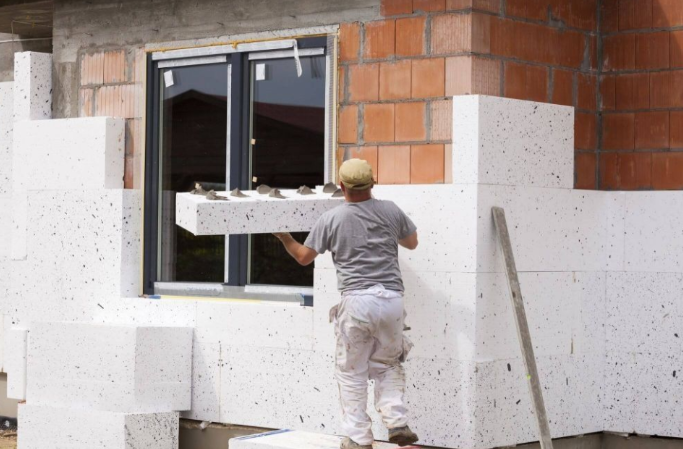
There is a specific frustration that comes with renovating a wall and finding moisture has been sitting behind the cladding for years. Nobody saw it coming. The paint looked fine. Then one corner lifts and the damage underneath is far worse than anything visible from outside. Polystyrene wall cladding removes several of those silent failure modes that catch homeowners and builders off guard long after the job is finished.
Where Timber Quietly Fails First
Painted timber looks protected. The surface usually is. The problem lives at end grain — the cut edges at corners and window heads where paint film is thinnest and wood fibres sit exposed. Water enters there, travels along the grain, and the board rots from inside out while the face stays presentable. Builders who have pulled off apparently sound timber cladding know how consistently this plays out. The failure is not dramatic; it is quiet and inevitable on older installs.
The Framing Load Nobody Budgets For
Heavy cladding does not just hang on a wall — it pulls on it. Over years, fixings carry sustained tensile load, particularly on upper storeys where wind creates outward pressure. On lightweight steel-frame construction, which covers a large share of new Australian residential projects, that load needs engineering. Polystyrene panels are light enough that the fixing schedule looks routine rather than engineered, removing a documentation step that typically delays other trades.
Render Does Not Behave The Same On Every Substrate
Polystyrene wall cladding with a render finish is often assumed to behave like rendered masonry. It does not. Polystyrene moves slightly with temperature change — masonry barely moves at all. Render systems designed for polystyrene account for this with flexible basecoats and mesh reinforcement. Projects that apply a hard render directly to polystyrene end up with hairline cracking within a single summer cycle. The substrate is not the problem; using the wrong render system on top of it is.
What Western Walls Reveal About Performance
A west-facing wall in inland Queensland or Western Australia absorbs heat all afternoon. Masonry stores that heat and releases it inward through the evening — exactly when indoor comfort is already under pressure. Polystyrene wall cladding does not store heat the same way. Its low thermal mass means less afternoon energy transfers into the occupied space. Households in high-solar-load climates notice it in how quickly a room cools once the sun shifts off the wall.
The Termite Angle Most Specs Miss
Polystyrene does not attract termites as food. But dense panels can conceal entry points behind the cladding surface, making routine inspections harder. In Queensland and northern NSW where termite pressure is high, this is a genuine consideration. The practical response is keeping inspection zones accessible at the base of the wall — a detail that needs designing in from the start, not retrofitted after cladding is installed.
Fire Ratings And What They Actually Mean
Fire performance is one of the more misunderstood aspects of polystyrene cladding in Australia, especially after high-profile façade fires overseas. Standard polystyrene used in residential construction, installed within a compliant render system and meeting NCC requirements, carries appropriate ratings for its application. The overseas failures typically involved non-compliant products used outside their tested scope — a distinction that matters when making specification decisions based on news coverage rather than technical documentation.
Why Renovation Suits It More Than New Builds
New builds can accommodate almost any cladding because the structure is designed around it. Renovations cannot. Existing overhangs, window reveals, and door trims are fixed — adding thick cladding means losing reveal depth or accepting shadow lines inconsistent with the original architecture. Polystyrene panels, being thin relative to their thermal performance, sit within those existing constraints better than most alternatives.
Conclusion
Polystyrene wall cladding rewards projects that specify it carefully and penalises those that treat it as a generic, low-effort choice. The termite inspection detail, the correct render system, the fire compliance pathway — these are not obstacles, they are what separates a wall that performs from one that creates problems nobody saw coming. Handled properly, it remains one of the more versatile external wall solutions available to Australian builders working across varied climate zones and project types.